Something New
A new development happened in the 1880 census. It was the first decade the relationship to the head of the household was recorded. As we saw in the previous blog post, Digging In, the relationship column helped define when the census is available to us today, 72 years after it was taken.
Unidentified Members
If you are researching the census from 1850-1870, there you cannot know for sure how the head of the household was related to everyone else. The head will most certainly be listed first, but after that is anyone’s guess! Yes, in all likelihood the second entry was the spouse, followed by their children, but not always. Because of the Civil War, the 1870 census was especially full of blended families. You don’t know for sure if those young folks were children, nieces or nephews, or maybe grand kids whose parents were wartime casualties.
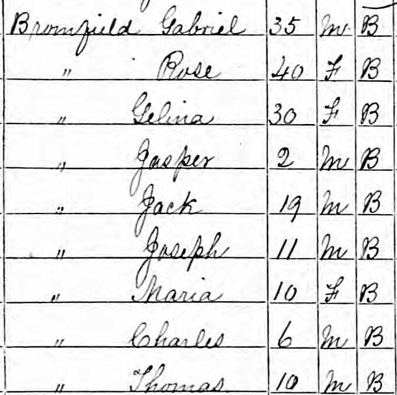
One thing to look out for is if the ages of household members are not in order. Often an enumerator would list the spouse and children first, then start over with any people who were not part of the immediate family. Some examples would be an older son and his family who were living in the same house as his parents, or nieces and nephews, the children of a brother or sister who had died or could not care for them.
Research to Find Answers
If your ancestor’s census return is out of order or something else seems odd, then as my friend Sherlock would say, “The game is afoot!” You need to find out why those ages are mixed up or who those people are. Taking the time to identify them could help you solve a mystery. You can compare what’s on this census with other censuses of your ancestor and their relatives to find the names in question. Death certificates can also be a great help.
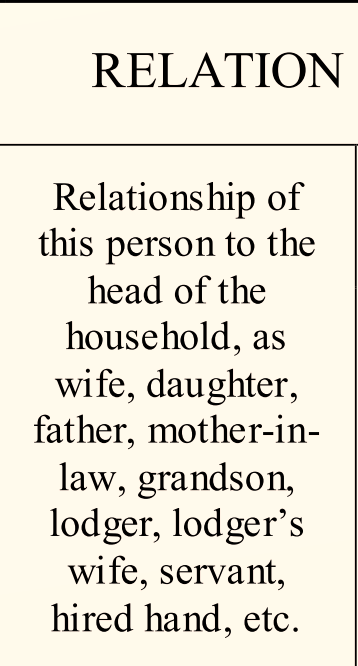
Every time I read a post 1880 census, I am thankful for the relationship column. In the rare case where two people were the same age, born in the same county, with spouses named the same, being able to identify other family members helps me sort things out. It helps me know that there are three generations living in that house instead of one with a bunch of kids. It also helps me in my research. If Johnny is in the 1860 and 1870 censuses with his parents, but not in the 1880 census, where did he go? Is he married with a family of his own? Is he in college? Did he pass away? These are questions I must answer. Unanswered questions and genealogy don’t go together.
If answering questions like these is something you need someone else to do, we are here to help. At Heroes of the Past, we love digging into all the cracks and crevices of the census and discovering its secrets. Contact us today to see how we can help!