Digging In
Some More First Things
There wasn’t room in the First Things First blog to give you all the background information about the census, so allow me to share some more now. The U.S. Census is available to the public seventy two years after it was recorded. In the last several censuses, there has been an effective date. For example, the information entered on the 1950 census was supposed to be what was true on April 1, 1950. What that meant for us is that the 1950 census became available for the public to view on April 1, 2022, seventy two years later.
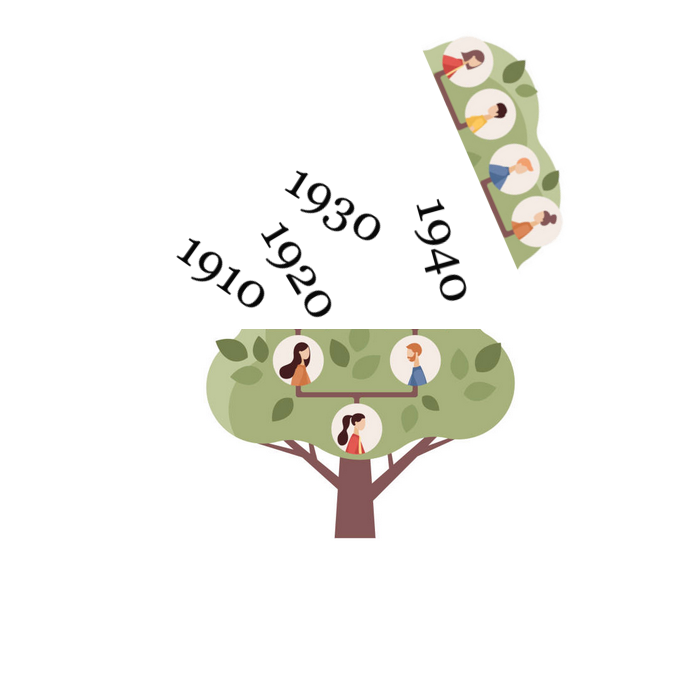
Viewing the U.S. Census as one collection over your ancestor’s lifetime will give you more information than looking at each return separately. Whether you find all the census returns for your ancestor’s life or just four or five decades, comparing them with each other can reveal where the family had moved over the years, how their prosperity has changed and how it relates to the economy, and many other things that one census return will not tell you. Much more on that later.
What’s to Come
Now that we’ve established how useful the U.S. Census is in discovering your family’s history, and hopefully convinced you that it is the first record you need to consult on that journey, let’s examine the census itself. My goal for you is that you pull all of the information out of this valuable resource that it has to offer.
Over the next several months, we are going to look at the census column by column. When we come to one of those entries where the census gives us more of a hint than an explanation, we will follow that hint until we discover the records that can provide answers.
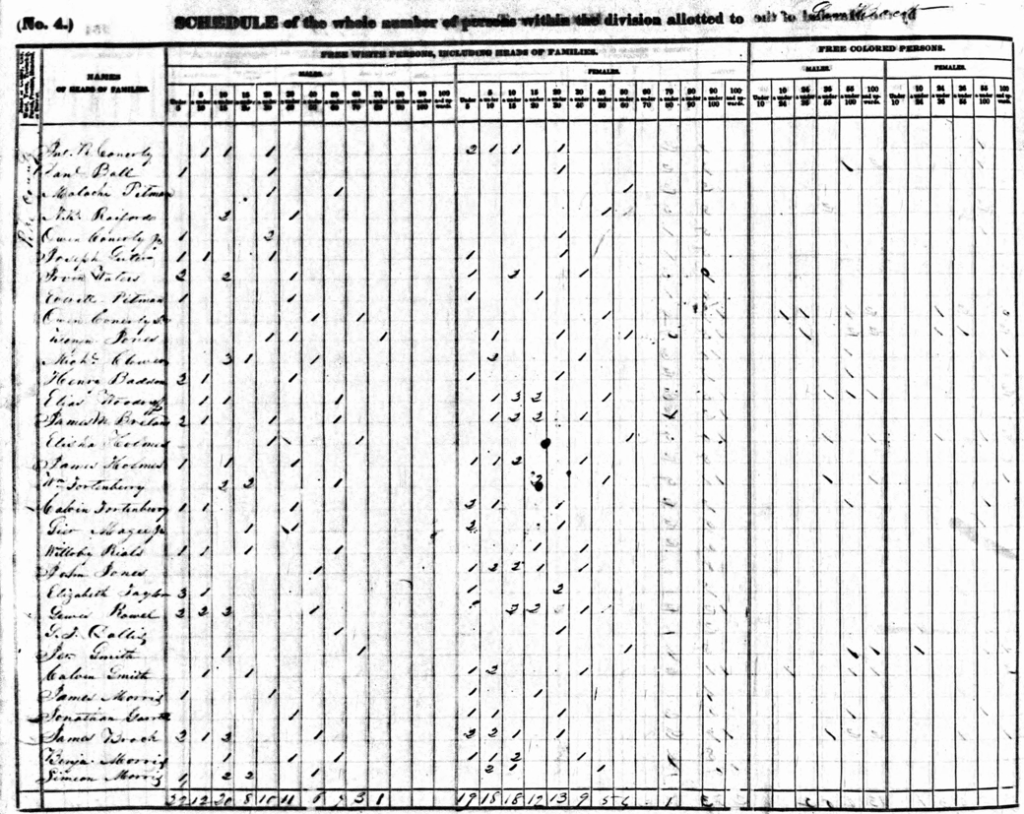
The first group we will look at are the U.S. Census returns from 1850-1950. These censuses list everyone in the household by name and 1850 was the first time the census recorded a significant amount of family data. After that, we will turn our attention to the 1790-1840 U.S. Census returns. These returns are often overlooked because at first glance they appear not to give us any details about our ancestors and their families. But if you read the entire census return and use all the available censuses as one collection you can actually learn quite a bit about a person or a family. This is especially useful because it is a time in our history when there were not a lot of records to draw from.
What’s up next time? We mentioned before viewing the census as one collection. We’ll explain and show why it is so important!
Heroes of the Past is always here to help you with your Family History needs. From building your family tree to difficult research problems, we’ve done it all! Contact us today to get started!
We’d love to know what you think! Please leave a comment below.
Subscribe to this blog by filling out this simple form:






Thank you for facilitating census searches and providing us with free information. Although my ancestors will only be listed in ship manifestos or the Puerto Rican census, my husband’s lived in Louisiana and hopefully I’ll be able to find them. His third cousin is a professional genealogist and gifted him a treasure trove of data for the Cassens/Casenza side, although she focused mostly on her own Cote Kroll family.