U.S. Census

A group of immigrants swearing allegiance to the United States

Immigration in America

Immigration in America Finding immigration records on your ancestors who immigrated before 1906 can be, what you might call, a hot mess!  Let’s try to make a little sense out of what was a very complex and constantly shifting set of laws.  This will be a simple and brief explanation.  If you want more details,
In the early 1900s the census collected immigration information

A Citizen Now or in the Future

A Citizen Now or in the Future The next section on the census, starting in 1900, asks questions about citizenship.  Just to give you a heads up, we will take several posts to cover these questions, review a very brief history of citizenship in the U.S., and how you can use this information to find

Marital Status Expanded

Marital Status Expanded The next question on the 1900 census asks about a person’s marital status, then how many years they have been married.  The instructions to enumerators explains the question refers to their present spouse, but the question as it is asked is rather vague, so be careful and make sure that was what

The 1900 census is full of information never asked before!

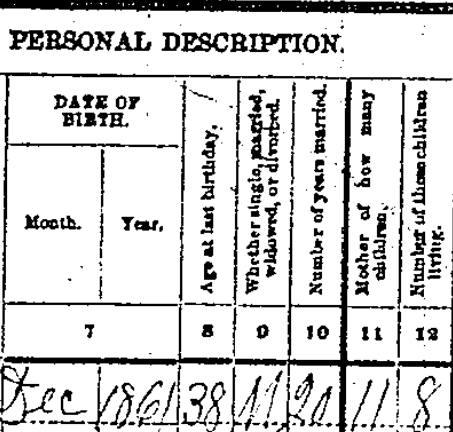
Information Overload!  The 1900 Census

Information Overload!  The 1900 Census I have to admit, if I am researching someone who was alive at the beginning of the 20th century, the record I most want to find is the 1900 census.  It’s packed full of new information that was not asked before.  Not only does the 1900 census answer many new

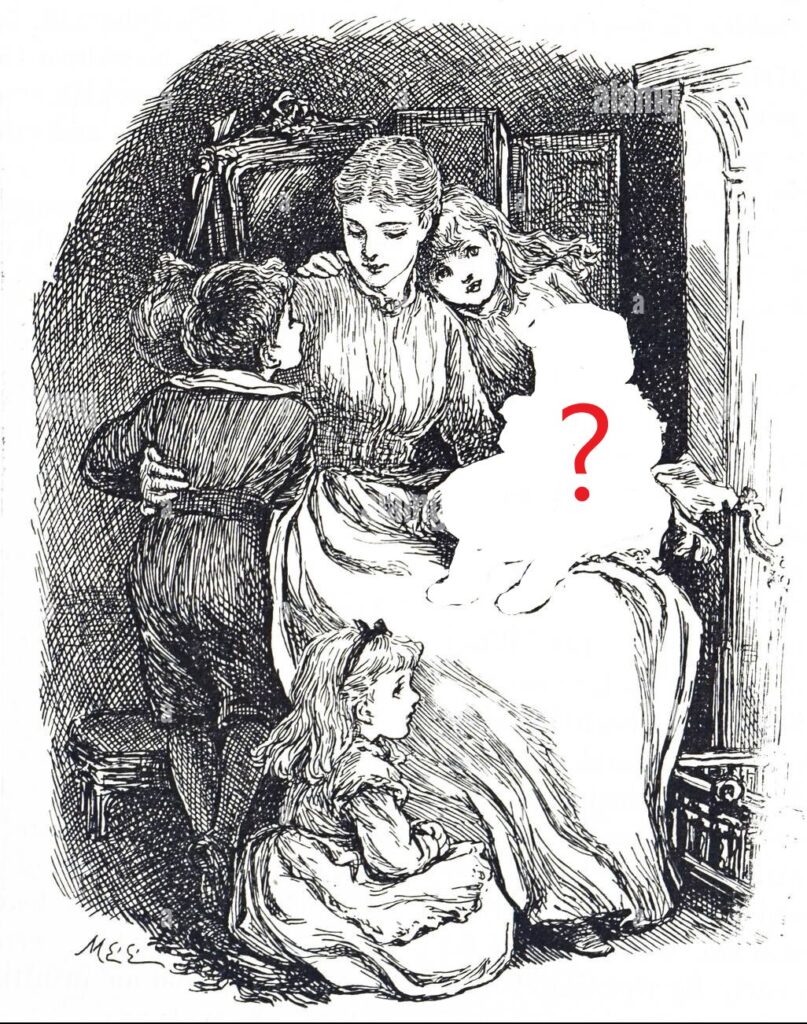
Something New

Something New A new development happened in the 1880 census.  It was the first decade the relationship to the head of the household was recorded.  As we saw in the previous blog post, Digging In, the relationship column helped define when the census is available to us today, 72 years after it was taken.  Unidentified

The U.S. census can help you find the location where your ancestor's lived

Which House was Grandpa in?

Which House was Grandpa in? As I was choosing a new subject I realized I skipped over an important question on the census, the house number.  The number of the house has been on the census from 1850 until 1950.  There are two reasons this often overlooked detail is important. The Precise Location One is

I've been working on the ...railroad-pay attention to employment questions

🎶   I’ve Been Working on the …   🎶

🎶   I’ve Been Working on the …   🎶 Starting in 1880, most every census asked questions about employment.  The questions varied over the decades, but most censuses in this group asked whether a person was employed.  The exception is the 1920 census, which just asked what type of employee a person was.  In 1940 the

The date the count was official for the census is important!

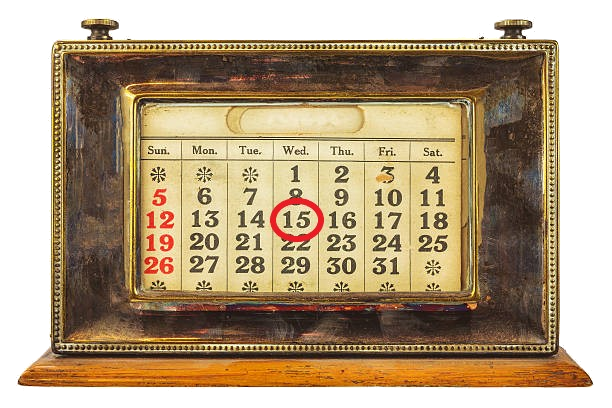
Does the Date Really Matter?

Does the Date Really Matter? For some unknown reason, the date the count was made for the census has changed over the decades.  From 1850 until 1900 it was June 1 of the census year.  In 1910 the date was changed to April 15, and in 1920 it changed again to January 1.  In 1930

Whether a person could read or write could tell alot about their lives.

Reading, Writing, Rithmetic!

Reading, Writing, Rithmetic! Another question related to schooling is whether a person could read or write.    Although phrased differently, the basic question was asked in 1850-1930.  This question can tell us several things. You might wonder why the question stopped being asked after 1930.  By that time education had become standardized in the United States,

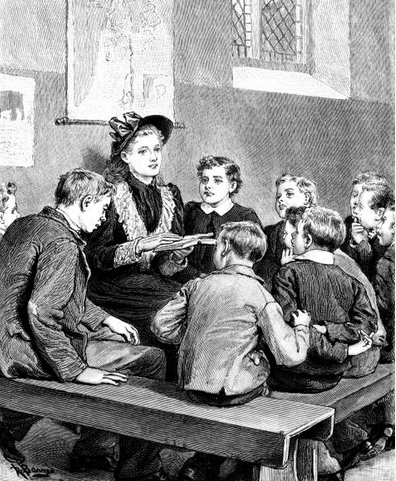
Even if a formal school wasn't available students could learn from anyone who could teach them

Have You Got the Smarts?

Have You Got the Smarts? Most of the census returns since 1850 have asked about schooling.   School related questions are on each census from that year until 1940 except for the 1880 census.  The 1950 census asks about schooling in the supplemental questions, so you have a one in five chance to learn about your

Scroll to Top