Does the Date Really Matter?
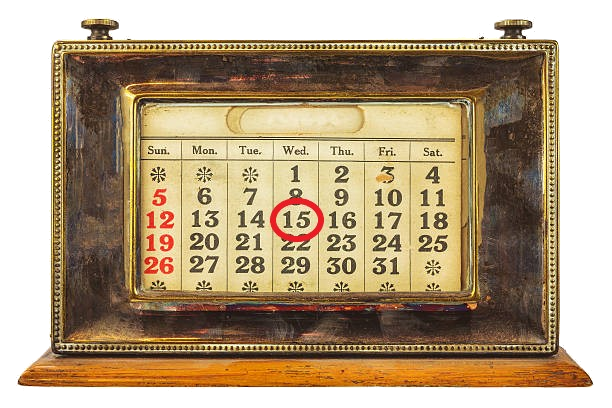
For some unknown reason, the date the count was made for the census has changed over the decades. From 1850 until 1900 it was June 1 of the census year. In 1910 the date was changed to April 15, and in 1920 it changed again to January 1. In 1930 and 1940 it was changed to April 1, and in 1950 it was not stated, although the instructions in Measuring America stated the 1950 census followed the 1940 census in many ways. Usually the effective date was printed on the census form. If it is not there, it will almost always be in Measuring America, one of the Free Tools we talked about in a previous article.
Beginning and Ending
The most important reason for taking notice of this date is the ages of children on the census form. This can be especially useful for narrowing down the birth dates of children who were born in the late 1800s and early 1900s, when many states had not started requiring birth certificates. Ever since 1850 the enumerators were instructed to record an infant’s age as a fraction. For example, if a child was sixteen months old it should have been recorded on the census as “1 4/12.” If that person was born in Mississippi in 1878 there will be no official record of their birth. The effective date for the 1880 census was June 1, so if 1 4/12 were entered for a child’s age on the 1880 census, that child was born in February of 1878.
It is important to keep this in mind for dates of death as well. If the person you are researching died close to the census date, that person could have been entered on the census even though they were already deceased. If the census date was June 1, the person died in August, but the enumerator did not visit the home until September, that person should have been recorded on the census even though they were no longer present.
Mortality Schedules
The effective date also determined whether a person was listed on the mortality schedule. We have these schedules available from 1850-1880. They should include anyone who died twelve months prior to the effective date for each census. If the effective date was June 1, then anyone who died from June 1, 1879 to May 31, 1880 should be included. We’ll talk more about mortality schedules later.
Next time you find an ancestor on the census, before you start analyzing take note of the date in the heading that tells what day the count was made for the census. Keeping that date in mind will make the ages on the form more understandable and could lead you to other places to make discoveries as well.
Is you back to the wall with holiday activities? We would love to help! Contact us today to find out how we can help you discover your Heroes of the Past!
We’d love to know what you think! Please leave a comment below.
Subscribe to this blog by filling out this simple form: