They Pay You For That?

One of the last questions that has been standard over every census since 1850 is occupation. Starting in 1910 the census enumerator would also ask what industry the person was in, providing a lot more detail.
There are a few things to consider when evaluating this answer. The first is how closely the enumerator was following the census instructions. In the 1880 instructions to enumerators for the occupation column the instructions read “Take especial pains to avoid unmeaning terms, or such as are too general to convey a definite idea of the occupation.” All too often what was listed were terms like “Laborer” or “Worker.” This seems to be especially true of census returns before 1900. If you find this, look on the previous or next census return. People often kept the same occupation over their lifetimes. You can also search for other documents, like death certificates, obituaries, probate documents, and newspaper articles for clues that will help you determine what they did for a living
More Than One Job
Another thing to keep in mind is our ancestors often worked in more than one occupation. People that owned a store or had a business in the closest town would live on acreage and be involved in agriculture. In this instance the enumerator may have listed their occupation as a farmer because they would be filling out an agricultural schedule. That did not mean that the person earned most of their income from the farm.
If the enumerator put down an accurate description in the occupation column, that doesn’t mean we will know what that occupation involved. When I run across this, Google is my best friend. Just type in the term and the census year or time period in any search engine and usually you will find the answer.
Which One Are You?
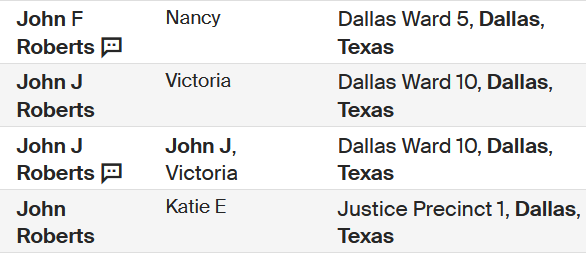
The occupation can be very useful when you are looking for an ancestor with a common name, like Robert Smith. There may be several Robert Smith’s in the county, but often there is only one Robert Smith who was a carpenter. You can also use other factors, like the age column we discussed in the blog All Present? to separate people with common names.
The census is full of information, some of which provides you with clues that point you to new areas to research. If your time is at a premium or you just want to skip to the answer, our Family Historians can help! Contact us today to get started!
We’d love to know what you think! Please leave a comment below.
Subscribe to this blog by filling out this simple form: